Scientific nameMelanospiza richardsoni

Meet Our Wildlife Superstars
St. Lucia Black Finch
Melanospiza richardsoni
Kwéyòl/local name: Moisson Pied Blanc
Quiet, dark and easily overlooked, the St. Lucia Black Finch is an endangered bird of the forest understorey. Known locally as Moisson Pied Blanc, its heavy bill, pale legs and deliberate movements distinguish it from the more familiar bullfinch.
EndemicFound only in St. Lucia
EndangeredGlobal conservation status
UnderstoreyOften feeds low in forest
ElusiveMay be quiet and difficult to detect
Quick facts
At a Glance
FamilyThraupidae
HabitatDry forest and rainforest understorey
DietInsects, berries, other fruit and seeds
Field clueHeavy bill, pale pink legs and an up-and-down tail bob
Global rangeEntirely restricted to St. Lucia
Meet the bird
About the St. Lucia Black Finch
A dark shape moves beneath the leaves and pauses on a low branch. At first it can look like a Lesser Antillean Bullfinch, but the pale legs, thick bill and different behaviour reveal one of St. Lucia’s rarest endemic birds.
Adult males are jet black. Females and immature birds are brown above, brownish-grey below and greyer around the crown, but they retain the characteristic pale pink legs. The strong bill is used to take insects, berries and seeds from the forest understorey.
Black Finches may occur alone, but pairs are often encountered. They spend much of their time low in vegetation or among leaf litter, so patient scanning and careful listening are usually more useful than searching the open canopy.
Habitat and range
Where You May Encounter It
The St. Lucia Black Finch uses both dry forest and rainforest, especially places with a healthy understorey, leaf litter and fruiting shrubs. It may be present in suitable habitat without being immediately visible.
Responsible location information: Use broad habitat descriptions only. Do not publish active nest sites or exact territories.
Plan an encounter
Tours Where You May See the St. Lucia Black Finch
This is an understorey bird rather than a canopy showpiece. The strongest opportunities come from tours that allow time for quiet searching in suitable forest.
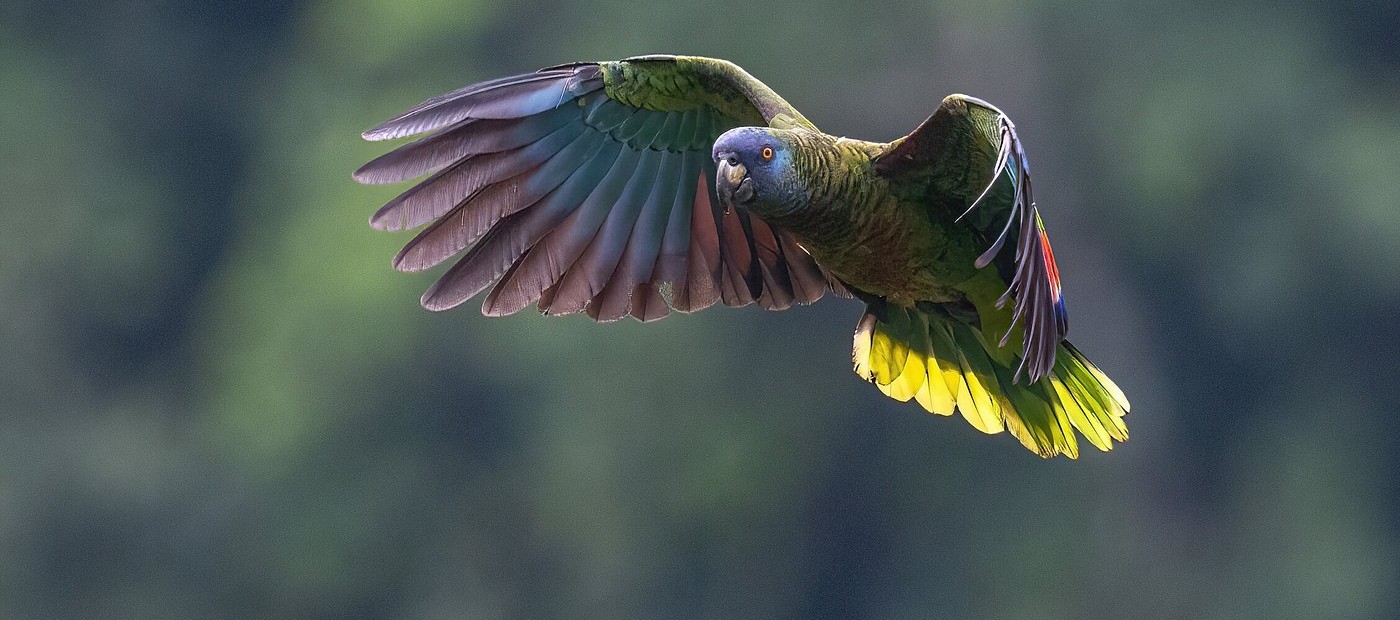
Primary target
The St. Lucia Small Six Safari
The Black Finch is one of the three endemic bird targets specifically featured in this conservation-focused experience.
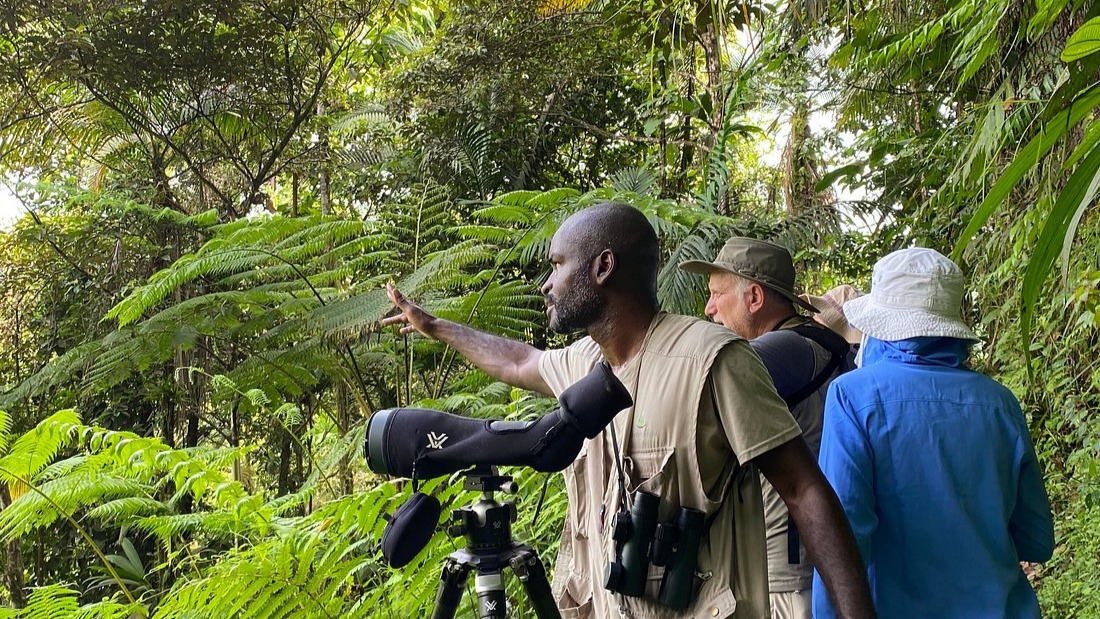
Primary target
Hardcore Birding Expedition
A specialist route with time to search different forest types and understorey habitat for scarce endemic birds.
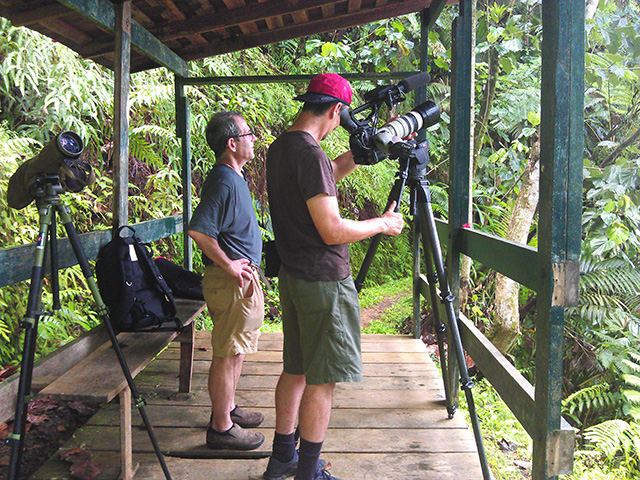
Strong possibility
Specialist & Endemic Birds Expedition / Cruise Ship Special
A focused endemic-bird route adapted to available port-day time and current bird activity.
Possible encounter
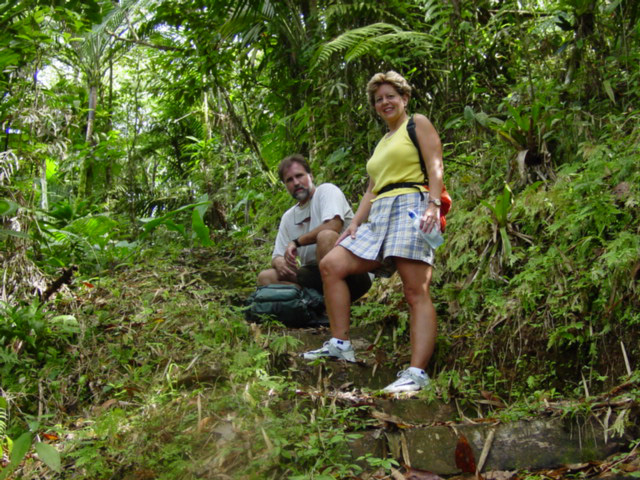
Des Cartiers Rain Forest Hike
A rainforest route where patient searching may reveal Black Finches in lower vegetation and along the trail.
Wildlife sightings are never guaranteed. Detection depends on route, weather, recent activity and the bird’s naturally secretive behaviour.
In the field
Field Observation
Do not look only for a black bird. Watch the legs and the tail. A brief view of pale pink legs or a steady up-and-down tail bob can confirm the identification even when the bird remains partly hidden.
Images from the island
Gallery
A national recovery story
Conservation Matters
The St. Lucia Black Finch is listed as Endangered. Its small, island-wide population is vulnerable to habitat loss even where the bird still occurs in more than one forest type.
Clearing dry forest, removing forest understorey and converting land for agriculture or tourism can reduce feeding and nesting habitat. Rats, mongooses and other introduced predators may add further pressure.
Main threats
Habitat conversion, understorey clearing, fragmentation and introduced predators.
What protects it
Dry-forest and rainforest conservation, healthy understorey and long-term monitoring.
How visitors help
Stay with guides, avoid disturbing low vegetation and support conservation-led tours.
Why it matters
Protecting the Black Finch also protects many less visible species that depend on the forest floor and understorey.