Scientific nameIcterus laudabilis

Meet Our Wildlife Superstars
St. Lucia Oriole
Icterus laudabilis
Kwéyòl/local name: Carouge
Black and orange-gold among the leaves, the St. Lucia Oriole is one of the island’s most distinctive endemic birds. Known locally as the Carouge, it lives nowhere else and depends on healthy forests and mature trees.
EndemicFound only in St. Lucia
EndangeredGlobal conservation status
CarougeConfirmed project spelling
Forest BirdUses rainforest, dry forest and large trees
Quick facts
At a Glance
FamilyIcteridae
HabitatRainforest, dry forest, coastal scrub and wooded areas
DietInsects, spiders, fruit and nectar
Field clueBlack plumage with orange-yellow belly, shoulders and rump
Global rangeEntirely restricted to St. Lucia
Meet the bird
About the St. Lucia Oriole
A rapid jumble of whistles and squeaks comes from the trees. A dark bird crosses a gap, and a flash of orange-yellow appears beneath the wings. That brief movement may be the first sign of a St. Lucia Oriole.
The adult male is glossy black with bright orange-yellow on the belly, shoulders and rump. Females are similar but generally duller, while young birds are more muted and may appear yellow-green. Its pointed bill is well suited to searching bark and foliage for food.
The Carouge is also a skilled nest builder. The female weaves a hanging nest from grasses and plant fibres, often suspending it beneath a broad leaf or from a palm. Because the bird can remain hidden within vegetation, recognising its voice and preferred trees is often as important as recognising its colours.
Habitat and range
Where You May Encounter It
The St. Lucia Oriole is most closely associated with rainforest, but it also uses dry forest, coastal scrub, cultivated areas and places near settlements where enough mature trees remain. Large trees and healthy forest edges provide feeding and nesting opportunities.
Responsible location information: Show only broad habitats and tour routes. Do not publish active nest trees or precise breeding locations.
Plan an encounter
Tours Where You May See the St. Lucia Oriole
The Carouge can occur across several forest types, but it may remain quiet and concealed. These tours enter suitable habitat and give local guides time to listen, watch the canopy and adjust the route.
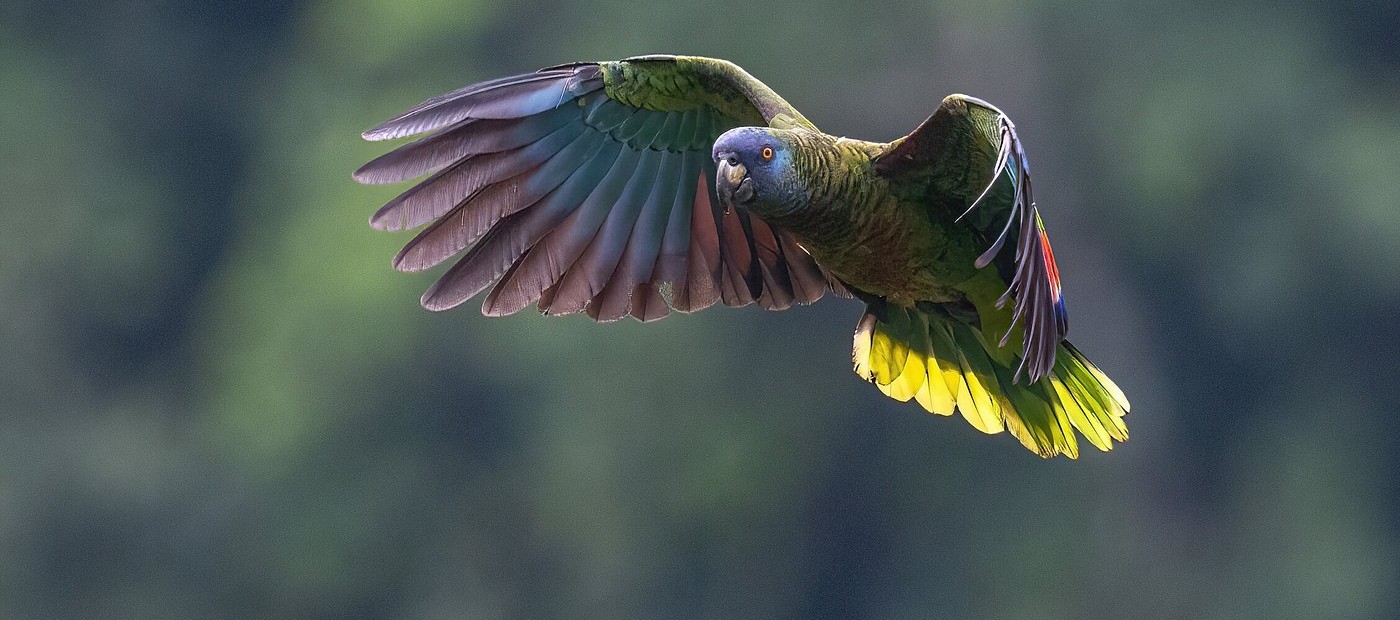
Primary target
The St. Lucia Small Six Safari
A conservation-focused two-day experience that specifically includes the St. Lucia Oriole among its three endemic bird targets.
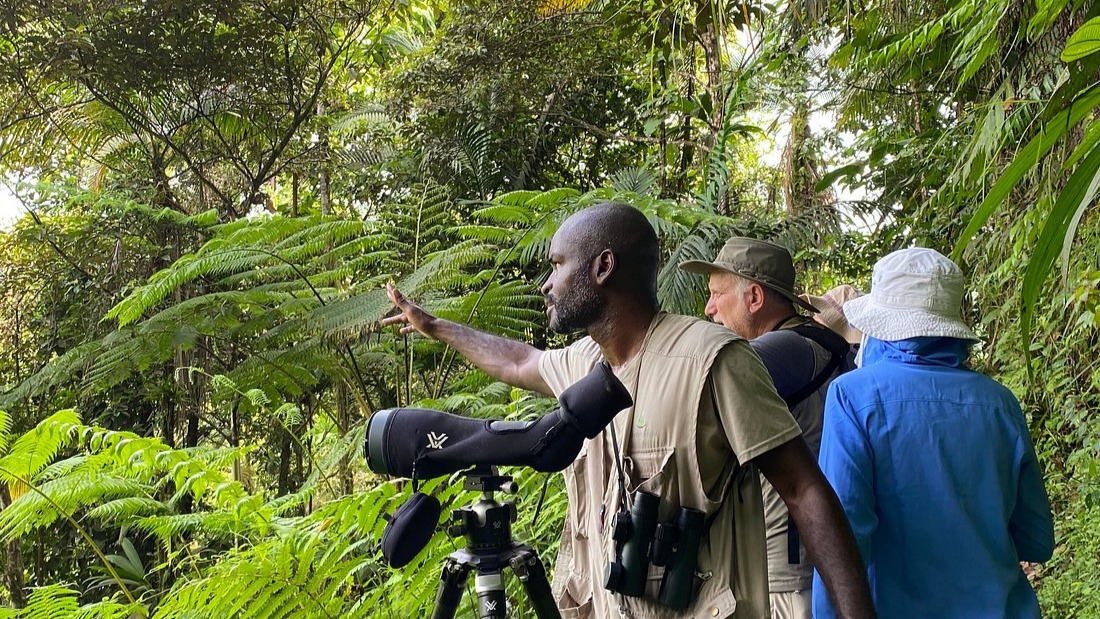
Strong possibility
Hardcore Birding Expedition
A specialist island birding route that searches several habitats for endemics and other sought-after species.
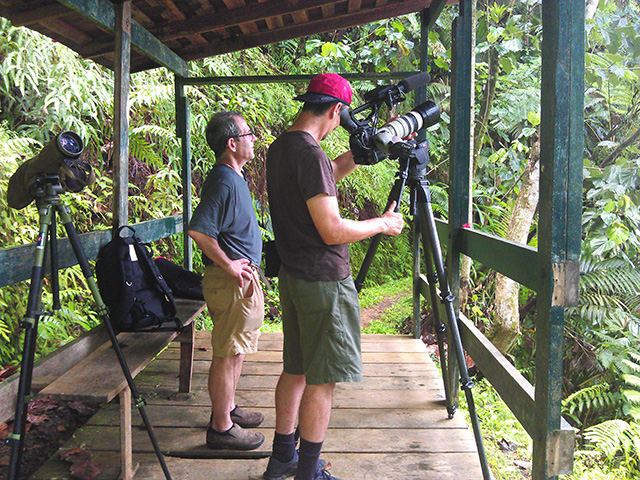
Possible encounter
Specialist & Endemic Birds Expedition / Cruise Ship Special
A focused endemic-bird itinerary designed around realistic port-day timing and habitat access.
Possible encounter
Des Cartiers Rain Forest Hike
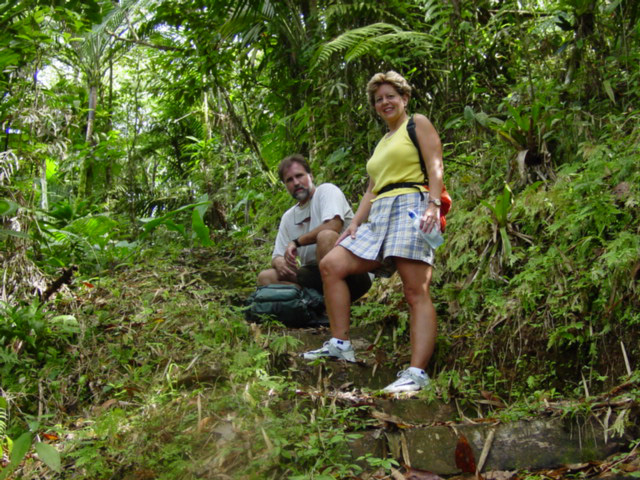
A guided rainforest experience through mature forest where the Oriole may be heard or seen among large trees.
Wildlife sightings are never guaranteed. Route, weather, season and recent bird activity all affect the chance of an encounter.
In the field
Field Observation
The Carouge may sit quietly inside the foliage and reveal itself only when it crosses an opening or calls. Watching fruiting trees, palms and forest edges can be more productive than constantly moving along the trail.
Images from the island
Gallery
A national recovery story
Conservation Matters
The St. Lucia Oriole is listed as Endangered. Because the entire species is confined to one island, losses of forest, mature nesting trees and suitable forest edges can affect a large share of its global population.
Brood parasitism by the introduced Shiny Cowbird is a major concern. Exposure to habitat disturbance and agricultural chemicals may also contribute to pressure on the species, although some effects require further study.
Main threats
Habitat conversion, loss of mature trees, brood parasitism and possible exposure to agrochemicals.
What protects it
Healthy forests, wooded buffer zones, mature nesting trees, monitoring and research.
How visitors help
Use responsible guides, avoid nests and support tours that value intact habitat.
Why it matters
The Carouge is a unique part of St. Lucia’s natural and cultural heritage.