
Scientific nameSphaerodactylus microlepis
Meet Our Wildlife Superstars
St. Lucia Pygmy Gecko
Sphaerodactylus microlepis
Tour focus: Small Six species
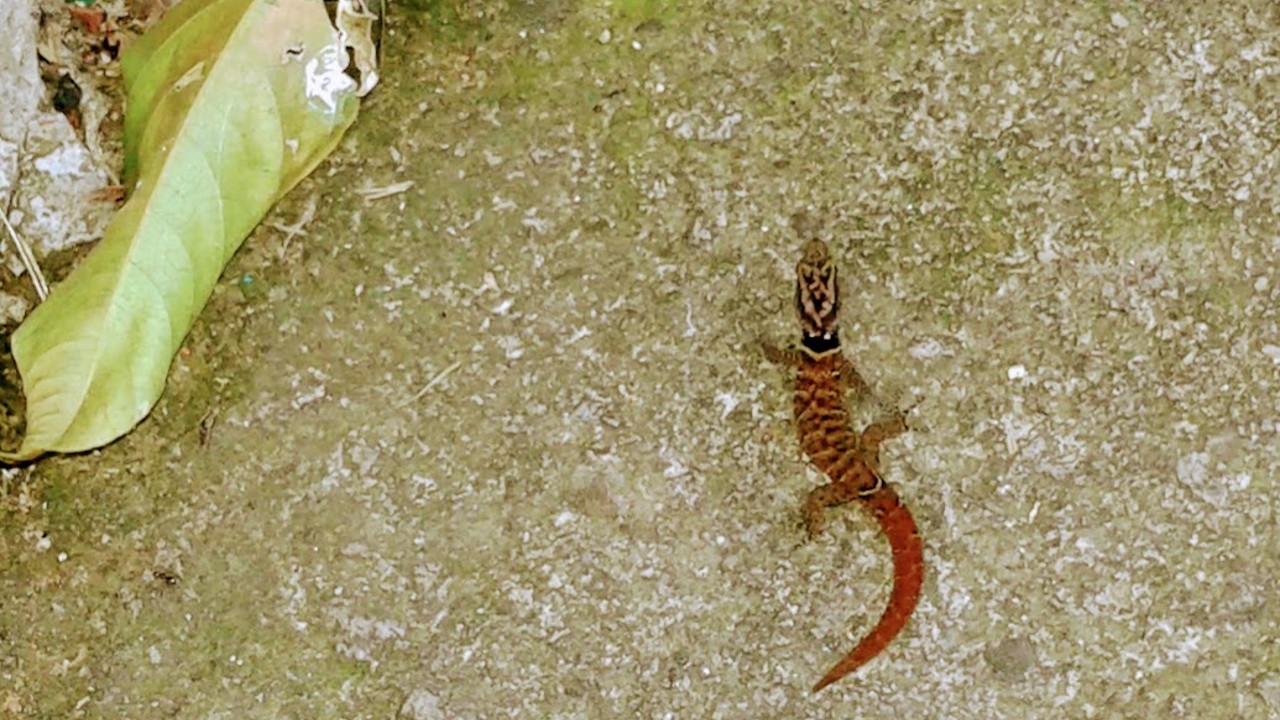
Tiny, secretive and easily missed, the St. Lucia Pygmy Gecko is a Small Six species that turns the forest floor into a place of careful discovery.
Island SpeciesNative to St. Lucia
Tiny GeckoA small forest-floor reptile
SecretiveOften hidden in leaf litter
Small SixSignature safari target
Quick facts
At a Glance
FamilySphaerodactylidae
HabitatLeaf litter, low cover and natural ground habitat
DietVery small invertebrates
Field clueMinute size and careful movement close to the ground
Tour rangeLooked for only where access and conditions are suitable
Meet the reptile
About the St. Lucia Pygmy Gecko
The St. Lucia Pygmy Gecko is a reminder that island wildlife is not always loud or brightly coloured. Some of the most remarkable species are small enough to disappear into leaves, bark and shadow.
Finding a gecko like this depends on patient, low-impact observation. The goal is to notice the animal without disturbing the cover and microhabitat that make its life possible.
For guests, this species changes the scale of the tour. The forest is no longer only canopy, views and trails; it is also the small world underfoot.
Habitat and range
Where You May Encounter It
The St. Lucia Pygmy Gecko is associated with small-scale ground habitat such as leaf litter and natural cover. Guides choose search areas according to access, season, weather and conservation sensitivity.
Responsible location information: This page gives habitat context without encouraging unsupervised searching, handling or disturbance.
Plan an encounter
Tours Where You May See the St. Lucia Pygmy Gecko
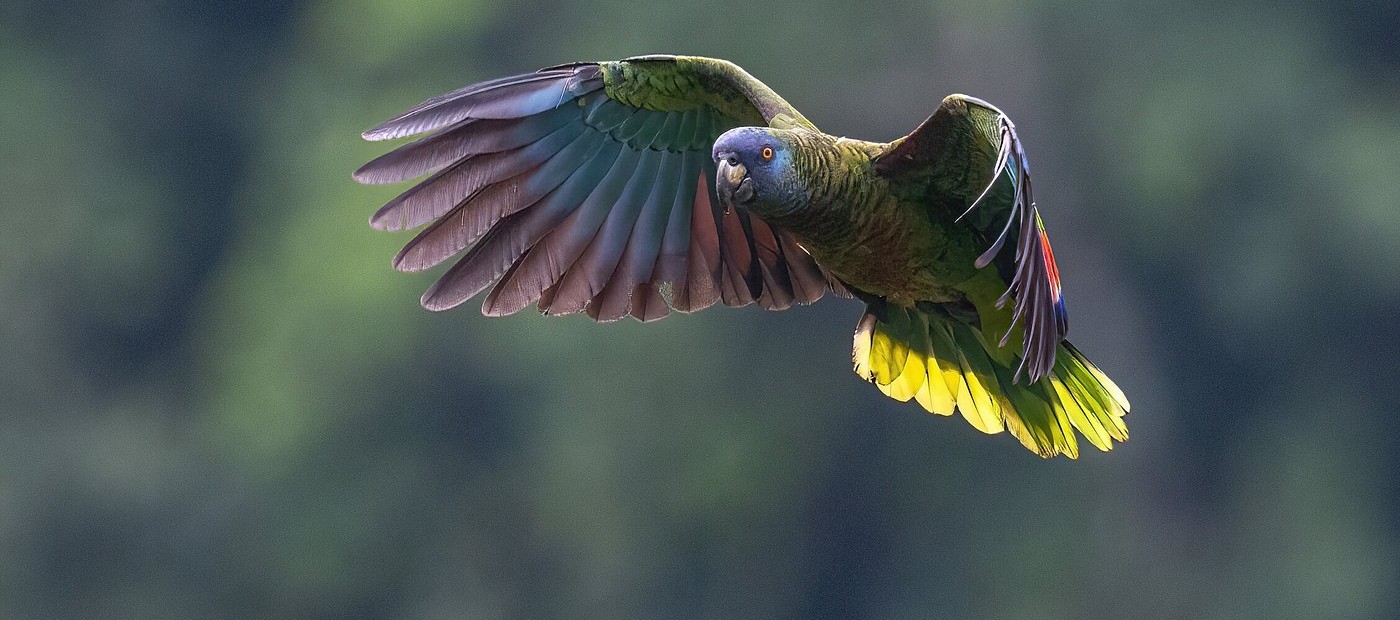
The pygmy gecko is a specialist Small Six target. It may not be visible on general walks, but the Small Six Safari is designed around the patient fieldcraft needed for tiny endemic wildlife.
Primary target
Small Six Safari
A conservation-focused experience for guests who want to look carefully for Saint Lucia's smallest wildlife stars.
Wildlife sightings are never guaranteed. Microhabitat, weather and conservation access all influence the chance of an encounter.
In the field
Field Observation
Searching for a pygmy gecko changes the rhythm of a tour. Guests slow down, look at leaf litter and bark edges, and learn that a good wildlife encounter can happen at the scale of a fingertip.
Images from the island
Gallery
Small species, real habitat
Conservation Matters
Tiny reptiles depend on the small structures of habitat: leaf litter, bark, shade, moisture and undisturbed ground cover.
A responsible encounter protects that microhabitat. The animal should be seen as part of a living system, not as an object to handle.
Main threats
Loss of natural cover, trampling, disturbance and changes to small ground habitats.
What protects it
Healthy leaf litter, careful route use and respect for guide-led search methods.
How visitors help
Step carefully, avoid moving cover unnecessarily and never handle small reptiles.
Why it matters
The pygmy gecko helps visitors appreciate biodiversity at the smallest visible scale.