
Scientific nameRamphocinclus sanctaeluciae

Meet Our Wildlife Superstars
St. Lucia Thrasher
Ramphocinclus sanctaeluciae
Kwéyòl/local name: Gorge Blanc
Known locally as Gorge Blanc, the St. Lucia Thrasher is dark above, white below and often moves low through leaf litter. This endangered St. Lucia endemic species of coastal dry forest was recognised as distinct in 2024.
St. Lucia EndemicEndemic species found only in St. Lucia
EndangeredCurrent conservation classification
Recognised in 2024Separated from the Martinique Thrasher
Dry ForestRestricted lowland habitat
Quick facts
At a Glance
FamilyMimidae
HabitatDense coastal and lowland dry forest with leaf litter
DietInsects, other invertebrates and fruit
Field clueDark brown upperparts, clean white underparts and ground-level foraging
Global rangeEntirely restricted to St. Lucia
Meet the bird
About the St. Lucia Thrasher
Leaves move beneath the dry-forest canopy and a dark bird runs or hops through the litter. When it pauses, the contrast between its dark brown upperparts and bright white breast identifies the St. Lucia Thrasher.
The bird was formerly grouped with the population on Martinique. In 2024, evidence from genetics, voice and appearance supported recognition of the St. Lucia and Martinique populations as separate species.
The St. Lucia Thrasher is the larger and darker of the two. It spends much of its time low in vegetation or on the ground, searching leaf litter for insects and other food. Its secretive habits and restricted habitat make local guidance especially valuable.
Habitat and range
Where You May Encounter It
The St. Lucia Thrasher is confined to small areas of suitable lowland and coastal dry forest. It favours dense cover, leaf litter and relatively open ground beneath the vegetation.
Responsible location information: Do not publish nest locations, precise territories or sensitive access points. Broad habitat and guide-led tour routes are sufficient.
Plan an encounter
Tours Where You May See the St. Lucia Thrasher
This bird is highly range-restricted. It should be linked only to tours that deliberately enter suitable dry-forest habitat and can manage the search without disturbing the birds.

Primary target
Hardcore Birding Expedition
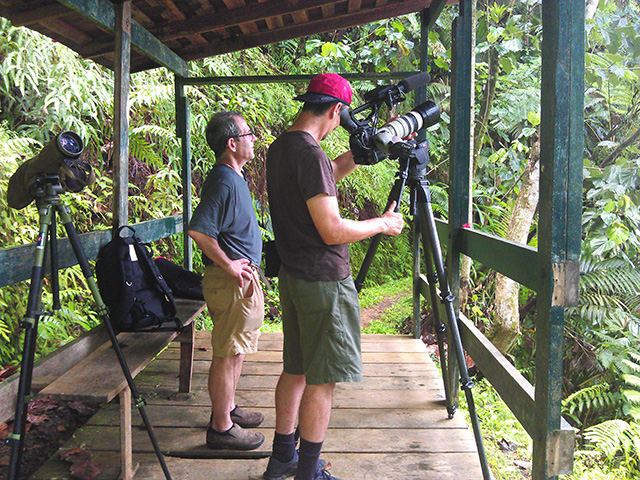
The current tour description specifically searches east coast dry forest for the St. Lucia Thrasher.
Primary target
Specialist & Endemic Birds Expedition / Cruise Ship Special
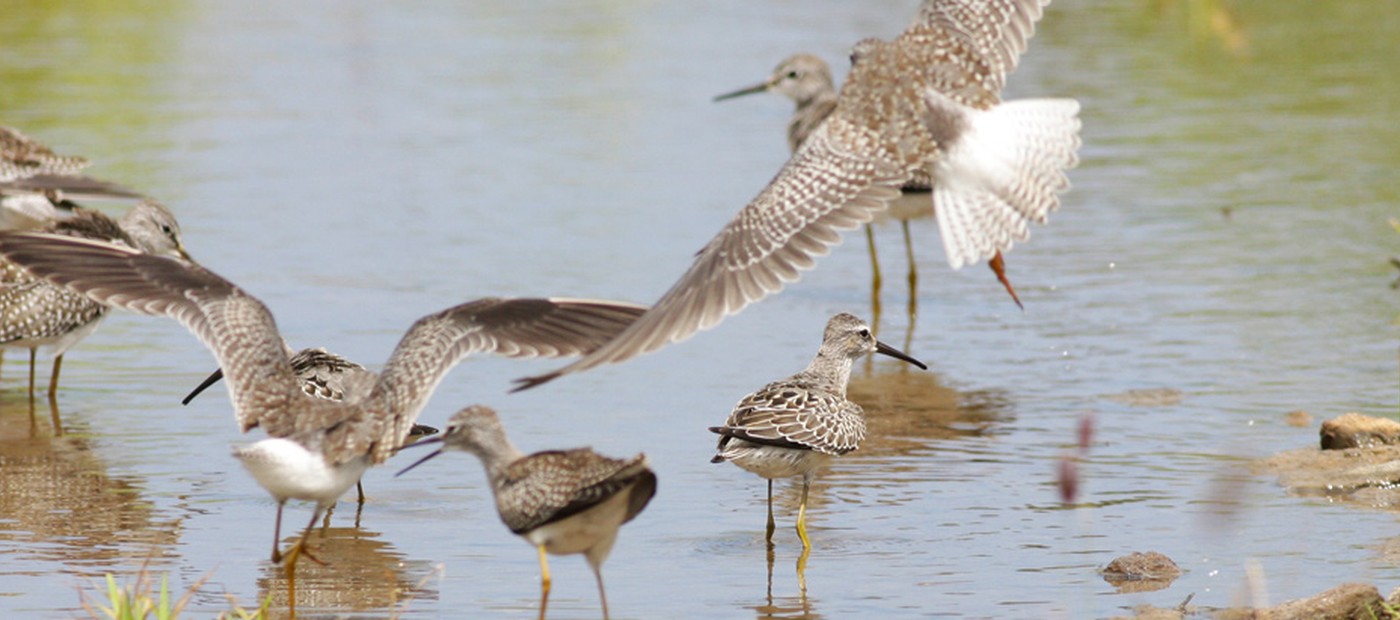
The existing cruise-special copy specifically promotes the Thrasher as an endemic target within a timed itinerary.
Route-dependent
North East Birding
A north-eastern route may enter suitable dry-forest habitat when current access and bird activity make the search practical.
Wildlife sightings are never guaranteed. Access, weather, recent activity and conservation restrictions may change the practical route.
In the field
Field Observation
Search the leaf litter and the lowest branches rather than the canopy. A St. Lucia Thrasher may run between patches of cover, pause briefly, then disappear before a camera can focus.
Images from the island
Gallery
A national recovery story
Conservation Matters
The St. Lucia Thrasher is Endangered and depends on a very small amount of suitable dry forest. Habitat loss and fragmentation therefore affect the species directly.
Tourism development, land clearing, habitat degradation and introduced mammalian predators are major concerns. Protecting occupied habitat is more important than simply identifying new places on a map.
Main threats
Dry-forest loss, fragmentation, habitat degradation and introduced predators.
What protects it
Protection of occupied dry forest, habitat management, research and monitoring.
How visitors help
Use specialist guides, remain on suitable routes and avoid pursuing birds through dense cover.
Why it matters
The species exists nowhere beyond St. Lucia’s remaining dry forest.